
Page 8 71 - 80 of 560
Selling a High-Maintenance Property and Acquiring Passive Real Estate Through a 1031 Exchange

Owning a high-maintenance property can become increasingly burdensome over time. Landlords and property owners often find themselves entangled in the day-to-day minutiae of managing tenants, coordinating repairs, and handling inevitable emergencies. Fortunately, for those looking to alleviate these challenges while boosting their investment strategy, a 1031 exchange presents a viable solution.
What Is Boot in a 1031 Exchange and How Is It Taxed?

A 1031 exchange is a powerful tool that allows investment property owners to defer capital gains taxes when exchanging their real estate for a similar, or "like-kind," property. However, not all proceeds from such exchanges are immune from taxation. Enter the concept of "boot" – a term that could significantly affect your tax situation.
Can You Use a 1031 Exchange to Exit Self-Managed Rental Properties?

For many real estate investors, self-managing rental properties can start as a promising venture but quickly become overwhelming. From tenant management to property upkeep, the demands can escalate. If you're considering transitioning away from these responsibilities while maintaining or potentially increasing your investment portfolio, a 1031 Exchange could be the solution you're looking for.
How Seller Financing Works in a 1031 Exchange
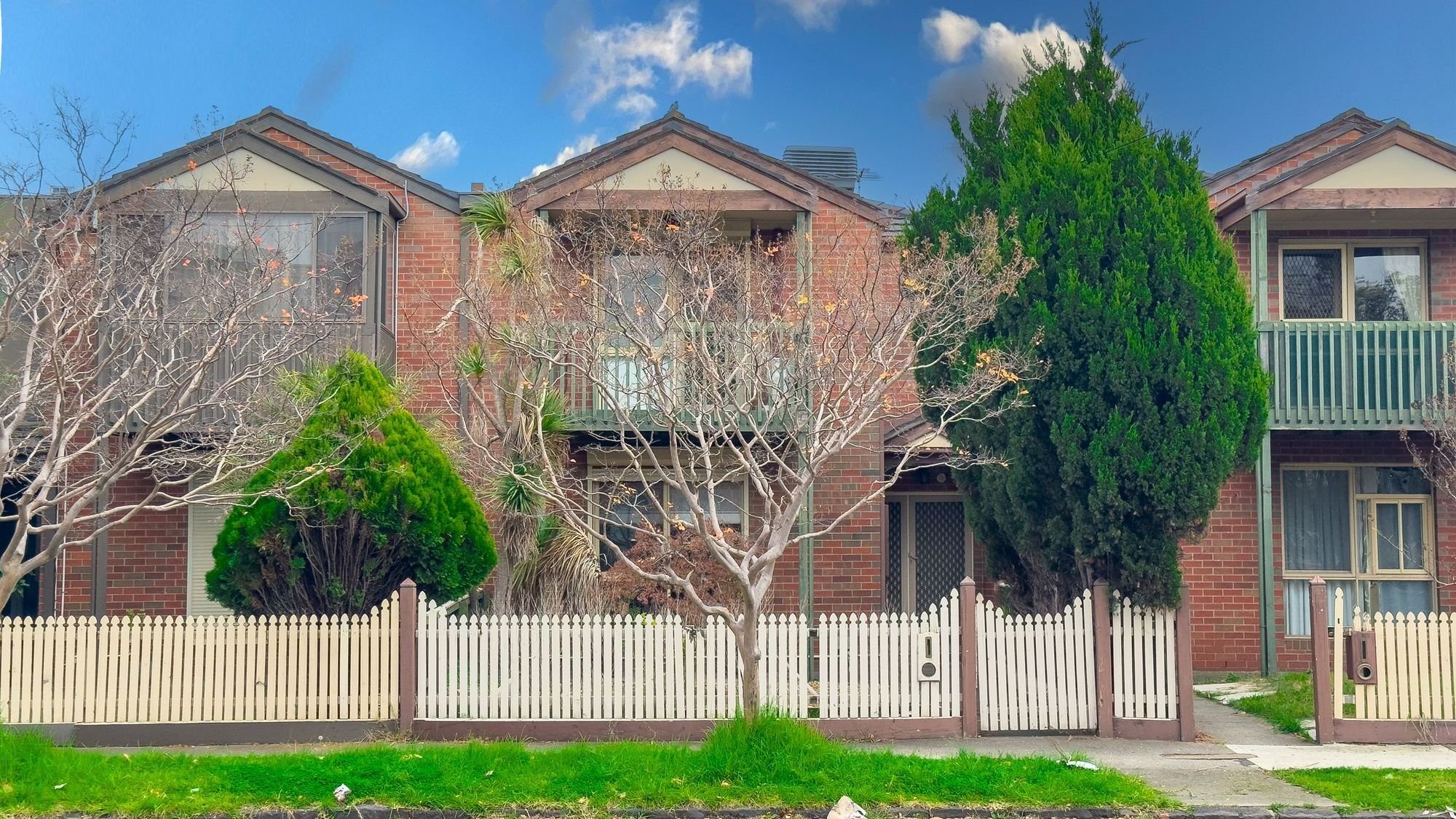
Seller financing can significantly ease the process of buying and selling investment properties, particularly in the context of a1031 exchange. In this arrangement, the seller acts as the lender, allowing the buyer to bypass traditional mortgage lenders and their often lengthy qualification processes. This unique dynamic can be beneficial for both parties when executed correctly, but it requires careful planning and understanding of tax implications to avoid running afoul of IRS regulations.
Can You 1031 Exchange Vacant Land for Income Property?

When navigating the intricate waters of real estate investments, the 1031 exchange emerges as a powerful strategy primarily for deferring capital gains taxes. But one question often arises: can vacant land be exchanged for income-producing property under this provision? The answer is a resounding yes, provided certain conditions are met.
Can You Buy Raw Land With a 1031 Exchange?

Navigating the intricacies of the 1031 exchange process can seem daunting for even the most seasoned real estate investors, especially when it comes to non-traditional assets like raw land. Nevertheless, a 1031 exchange offers compelling advantages, particularly for those considering diversifying their investment portfolios with raw land acquisitions.
1031 Exchange for New Construction: Timeline, Risks, and Rules

1031 exchanges present a strategic opportunity for investment property owners to defer capital gains taxes by reinvesting the proceeds from a relinquished property into a new, like-kind asset. When it comes to new construction, however, the process involves careful navigation through specific timelines, risks, and regulations set forth by the IRS.
Can You Use 1031 Exchange Funds to Pay Off Debt or a Mortgage?

Investing in real estate comes with its benefits, and seasoned property owners often find themselves navigating the complex world of 1031 exchanges to optimize their portfolios. Among the common questions for these investors is whether they can use 1031 exchange funds to pay off debt or mortgages. The answer is nuanced and requires a deep dive into IRS rules and the mechanics of a 1031 exchange.
What Is a Partial 1031 Exchange and When Does It Still Make Sense?

Navigating the complexities of real estate investment can feel overwhelming, particularly when it comes to tax-deferral strategies. For investment property owners looking to maximize their returns while maintaining financial flexibility, a partial 1031 exchange could offer a compelling solution.
Can You Use a 1031 Exchange to Buy a Lower-Priced Property?

The concept of a 1031 exchange has long been a strategic tool for real estate investors. Named after Section 1031 of the Internal Revenue Code, it allows investors to defer capital gains taxes by exchanging one investment property for another. But what happens if you want to downsize? Can a1031 exchange be used to buy a lower-priced property? The short answer is yes, but there are specific considerations and rules to bear in mind.
Page 8 71 - 80 of 560