
The Realized Team’s Picks
How Long Does a Limited Power of Attorney Last?

When you grant someone a power of attorney, you trust that person with the authority to act on your behalf and to represent you and your wishes. There are numerous versions of power of attorney (POA) grants, and the topic can be a bit confusing. Let’s outline the variations and consider which options may suit your needs.

Who Pays Property Taxes on a Life Estate?
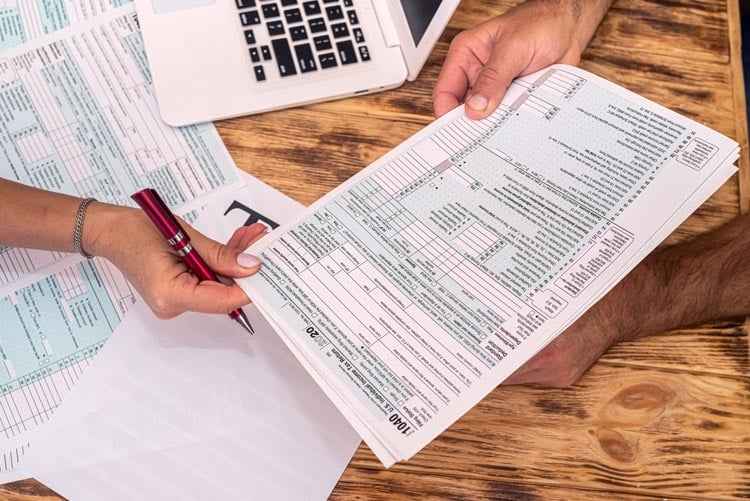
A life estate is a method of owning property with another person and then efficiently distributing the property to the designated person(s) after your death. This tactic is most often used to secure ownership of a residence that is the owner’s primary home. The homeowner creates a life estate, which reserves for that person the right to occupy the home for life. The intended heir is defined as the remainderman. The remainderman has an ownership interest in the home beginning with the designation, but they do not own it until you die.
Does a General Power of Attorney Need to Be Registered?

The term “power of attorney” sounds like you need a lawyer to be involved. However, typically, a POA is granted and used without the need for lawyers. Giving a power of attorney to someone means that you are conferring on that person the authority to act on your behalf.
Can Passive Losses Offset Capital Gains?

Passive income is a special type of income that not everyone will be involved in. It is also different from wage income. Passive income is generated from a partnership, a business the investor is not involved in, rentals, or other flow-through entities.
How to Get an Emergency Power of Attorney

Major life changes often affect someone’s ability to properly manage their personal and financial affairs. A debilitating stroke, motor vehicle accident, or even incarceration can leave a loved one, relative, or close friend unable to take care of important matters or make sound decisions that affect their lives.
What are Allowable 1031 Exchange Expenses?

Closing costs on commercial real estate can be extremely high, sometimes averaging between 3 and 5 percent of the total value of the asset you are buying. If your target property costs $2 million, that 3 percent could exceed $60,000 in fees and related expenses.
Does a Delaware Statutory Trust Require an Owner Trustee?

Delaware Statutory Trusts (DSTs) are passive investment vehicles that provide investors with fractional ownership of commercial real estate. Often, the investor (also referred to as an owner or beneficiary) can gain access to properties they could not afford to buy on their own. DSTs are increasingly popular as investment options for accredited investors. Some of the attractions of the model include:
Can a General Power of Attorney Be Revoked?

Establishing power of attorney with a trusted relative, business associate, or financial professional can be helpful if a situation arises where you aren’t able to care for yourself, such as the onset of a serious illness or following a serious car accident.
What Is A Master Lease In A Delaware Statutory Trust (DST)?

A master lease in a Delaware Statutory Trust (DST) is a lease agreement between the DST and a master tenant. The master tenant is responsible for managing and operating the property, and the master tenant also sublets the property to individual tenants. This arrangement allows the Delaware Statutory Trust to avoid the hassles of having to directly manage properties held under trust.