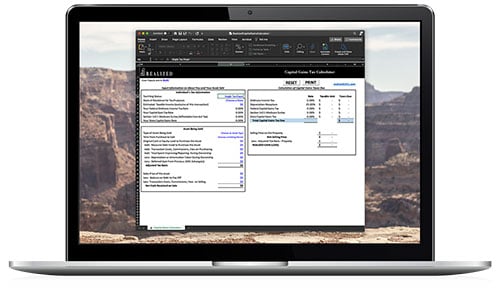

When you perform a 1031 exchange, you can defer capital gains taxes by reinvesting the proceeds from the sale of your investment property into a "like-kind" property. This means you don't pay capital gains taxes immediately; they are deferred until the final sale of the replacement property, provided it is not followed by a 1031 exchange.
Understanding 1031 Exchanges
A 1031 exchange, named after Section 1031 of the Internal Revenue Code, allows real estate investors to defer capital gains taxes by reinvesting the proceeds from selling a property into a qualifying like-kind property. This process enables continuous deferment if the subsequent property is once again swapped for another through a 1031 exchange.
Rules and Requirements
Successfully executing a 1031 exchange requires adherence to specific IRS rules:
• Like-Kind Property: The property being purchased must be of like-kind, meaning it's also held for investment or business purposes.
• Qualified Intermediary: A third party, called a qualified intermediary, must facilitate the exchange to ensure compliance.
• Timelines: Within 45 days of selling the original property, you must identify potential replacement properties. The transaction must be completed within 180 days of the sale.
Benefits of a 1031 Exchange
The primary advantage of a 1031 exchange is its ability to defer taxes on capital gains and depreciation recapture taxes. By doing so, investors can reinvest the entire proceeds from their property sales, potentially growing their investment portfolio more rapidly and preserving wealth.
Potential Drawbacks
While 1031 exchanges offer substantial benefits, they also come with pitfalls:
• Strict Rules: The rigid timelines and requirements can be challenging to meet.
• Boot Taxation: Any leftover cash after the transaction, called "boot," will be taxed as capital gains.
• Market Risks: Property market fluctuations may impact the value of the replacement property.
Frequently Asked Questions
What is a "like-kind" property?
A "like-kind" property in a 1031 exchange refers to any real property held for investment or business use, not limited to the same type of property. For example, an investor could exchange a commercial property for a multi-family residence.
Can I perform multiple 1031 exchanges with the same property?
Yes, you can perform multiple 1031 exchanges consecutively, deferring capital gains taxes each time. This strategy is sometimes called "swap 'til you drop," as it allows for continuous deferment.
What are the difficulties in timing for a 1031 exchange?
The exchange process involves tight deadlines: you have 45 days to identify potential replacement properties and 180 days to complete the exchange. Failure to adhere to these timelines can disqualify the exchange and result in tax liabilities.