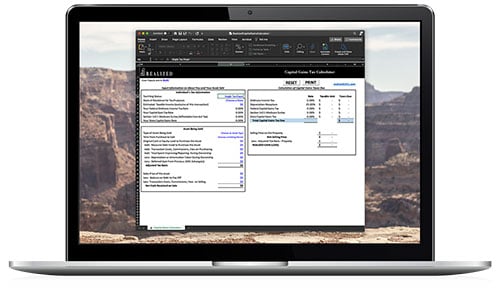

Navigating the intricacies of capital gains tax is a pivotal concern for investment property owners, particularly as we look at the 2026 changes.Capital gains tax is pivotal in shaping the financial landscape of property sales, directly impacting the net profit investors can realize. Understanding these tax tiers is crucial for formulating effective tax strategies.
A Closer Look at Capital Gains Tax Rates
Capital gains tax applies to the profit earned from selling an asset for more than its purchase price. This tax is divided into two categories: short-term and long-term. Short-term capital gains are taxed at the ordinary income tax rate and apply to assets held for one year or less. In contrast,long-term capital gains, which benefit from the preferential tax rate, apply to assets held for more than one year.
For the year 2026, the expected tax brackets continue to incentivize long-term investment. Below are three common scenarios for illustration:
Scenario 1: The High Earner
Let's take John, an investment property owner who is married and files jointly. With a household income of $500,000 per year, John is positioned in the highest tax bracket. If John decides to sell one of his properties in 2026, his capital gains would be taxed at the 20% rate. For investors like John, strategic planning is essential to minimize tax liabilities.
Scenario 2: The Moderate Income Investor
Consider Carly, who files taxes as a single with an annual income of $60,000. Carly's income places her in the 15% capital gains tax bracket. If Carly sells an investment property in 2026, her gains would be subject to this moderate rate. A potential strategy for Carly would be to use deductions and credits to further optimize her taxable income bracket, potentially lowering her tax obligation.
Scenario 3: The Lower Income Seller
Lastly, there's Keith, a single filer with an annual income of $35,000. Residing in the lowest taxable income tier, Keith benefits immensely from a 0% capital gains tax rate on the sale of his property. For sellers like Keith, maintaining income levels within this bracket can result in significant tax savings.
Strategic Considerations for 2026
As tax regulations evolve, it is vital for property investors to stay informed and adaptive. One forward-looking strategy is the use of 1031 exchanges, which allow investors to defer capital gains taxes by reinvesting the proceeds from the sale of a property into a similar property. This not only delays the tax liability but also permits the investment to grow without the immediate burden of capital gains taxes.
Another sophisticated approach involves leveraging Qualified Opportunity Funds (QOFs), which offer deferrals and potential reductions in capital gains taxes. However, investors must consider the holding requirements and risks associated with such investments.
Conclusion
The landscape of capital gains taxation continues to profoundly influence investor decisions. By aligning oneself with knowledgeable tax advisors and exploring advanced tax strategies, investors can navigate the complexities of capital gains taxes effectively. This proactive approach ensures that you remain poised to maximize the returns on your real estate assets, irrespective of market fluctuations.